

Description
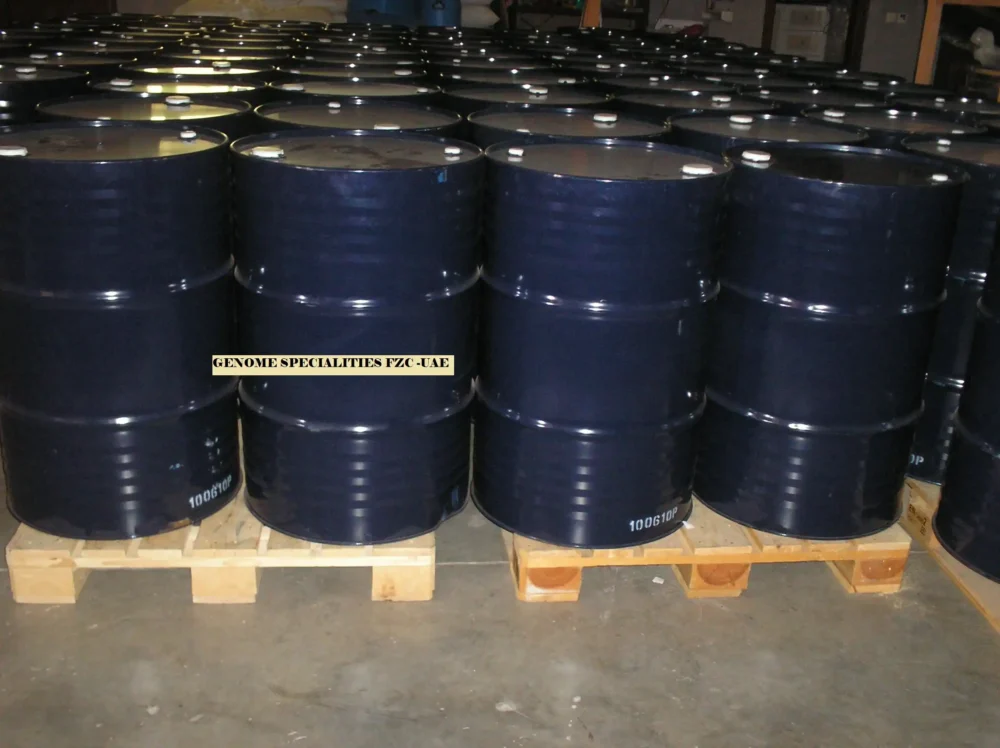
Polysorbate 20 is a chemical compound and a type of nonionic surfactant. This means it helps to reduce the surface tension between two liquids or between a liquid and a solid. It is a viscous, clear to yellowish liquid.The “20” in the name refers to the fact that it is a polyoxyethylene sorbitan monolaurate that has been ethoxylated with approximately 20 units of ethylene oxide.
Chemical Properties
| Property | Description |
|---|---|
| Chemical name | Polyoxyethylene (20) sorbitan monolaurate |
| INCI name | Polysorbate 20 |
| Chemical class | Non-ionic surfactant |
| Molecular formula | Approx. C₅₈H₁₁₄O₂₆ |
| Molecular weight | ~1227 g/mol (average) |
| Origin | Ethoxylated sorbitan ester of lauric acid |
| Physical appearance | Clear to pale yellow viscous liquid |
| Odor | Mild, characteristic |
| Water solubility | Completely soluble |
| Oil solubility | Poor |
| HLB value | ~16.7 |
| Ionic nature | Non-ionic |
| pH (5% aqueous solution) | 5.0–7.0 |
| Density (25 °C) | ~1.08 g/cm³ |
| Viscosity (25 °C) | High (syrupy liquid) |
| Melting point | Liquid at room temperature |
| Flash point | >100 °C |
| Chemical stability | Stable under normal storage conditions |
| pH stability range | 3–10 |
| Reactivity | Chemically inert |
| Toxicity | Low |
| Regulatory status | Approved for cosmetic, food, and pharmaceutical use |
Uses and Applications
1.Cosmetics and Personal Care Products: This is one of its most common applications. Polysorbate 20 is an essential ingredient in many cosmetic formulations because it acts as an emulsifier, helping to blend oil-based and water-based ingredients that would otherwise separate. It is found in products such as:
Lotions and creams
Shampoos, conditioners, and body washes
Facial cleansers
Room and linen sprays (to mix essential oils with water)
Makeup products like foundations and mascaras
Fragrances and perfumes (to help solubilize the oils in a water or alcohol base)
2. Food Industry: In food products, polysorbate 20 is used as a food additive and emulsifier to improve texture, consistency, and shelf life. It helps to stabilize emulsions, preventing ingredients from separating. Some examples of where it’s used include:
Ice cream (to create a smoother texture and resistance to melting)
Salad dressings, mayonnaise, and sauces
Cake mixes and baked goods
Whipped toppings and frostings
3. Pharmaceuticals: Polysorbate 20 is used as an excipient in some pharmaceutical applications. An excipient is an inactive substance that serves as a carrier for the active ingredients. It helps to:
Stabilize emulsions and suspensions in medications.
Act as a lubricant in ophthalmic (eye) solutions.
Stabilize some protein-based drugs and vaccines.
Scientific and Industrial Applications: It has a variety of uses in laboratories and other industries:
Laboratory work: It is widely used as a washing agent in immunoassays like Western blots and ELISAs to prevent non-specific binding of antibodies.
Cell culture: It is used as a component in cell lysis buffers to break open cells for study.
Other uses: It can be found in some household cleaners and in the elastomer industry as a wetting agent.
Grades of polysorbate 20:
Pharmaceutical Grade
This is the highest purity grade of polysorbate 20, used in the formulation of human and veterinary drugs. The primary concern is the stability and safety of the medication, especially for injectable and parenteral applications.
Purity and Specifications: Pharmaceutical-grade polysorbate 20 must meet the strict standards set by pharmacopoeias such as the United States Pharmacopeia (USP), European Pharmacopoeia (EP), and Japanese Pharmacopoeia (JP). These standards limit impurities like peroxides, ethylene oxide, and 1,4-dioxane to extremely low levels to ensure patient safety and prevent the degradation of active pharmaceutical ingredients (APIs).
Uses: It is used as an excipient to stabilize emulsions and suspensions, to solubilize poorly water-soluble drugs, and to prevent protein aggregation in biopharmaceutical products like vaccines and therapeutic proteins.
Food Grade
This grade is used in food products and must be safe for human consumption. It is regulated by agencies like the FDA (U.S.) and the European Food Safety Authority (EFSA).
Purity and Specifications: Food-grade polysorbate 20 is given a specific E-number (E432 in Europe) and is classified as “Generally Recognized as Safe” (GRAS) by the FDA in the United States. Its purity standards are not as stringent as the pharmaceutical grade, but they still have strict limits on heavy metals and other contaminants to ensure it is safe to eat.
Uses: It is used as an emulsifier and stabilizer in a wide range of food products, including ice cream, salad dressings, baked goods, and flavorings, to prevent ingredients from separating and to improve texture.
Cosmetic Grade
This grade of polysorbate 20 is intended for use in personal care and cosmetic products that are applied topically.
Purity and Specifications: The standards for cosmetic-grade polysorbate 20 are generally less strict than for food or pharmaceutical grades. The focus is on skin safety and product stability. Manufacturers aim to produce a product that is non-irritating and free from harmful impurities, often with a focus on removing potential contaminants like 1,4-dioxane.
Uses: It is a common ingredient in lotions, creams, shampoos, body washes, and facial cleansers. Its main functions are to act as an emulsifier to blend oil and water, and as a solubilizer for fragrances and essential oils.
Technical / Industrial Grade
This is a lower-purity grade of polysorbate 20 used for industrial and non-human consumption applications.
Purity and Specifications: Technical grade products have the least stringent purity requirements. They may contain higher levels of impurities compared to the other grades.
Uses: It is used in applications where a high level of purity is not necessary, such as in laboratory reagents (for applications like Western blotting and ELISA), cleaning agents, and some industrial processes.


Reviews
There are no reviews yet.