


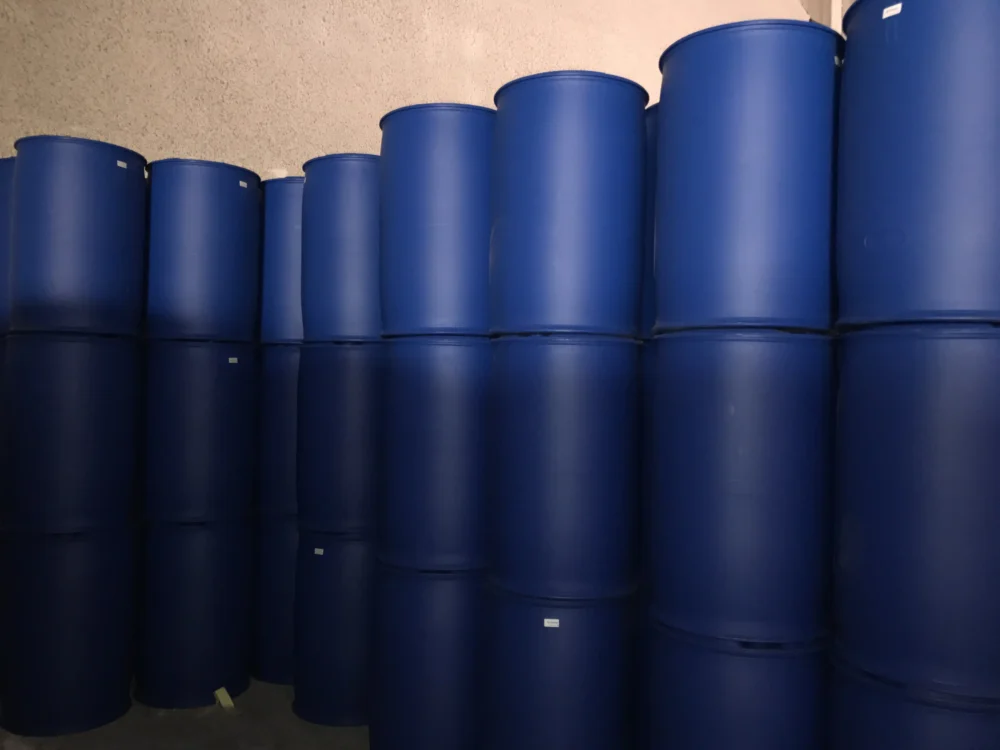
Description
Oleic acid is a monounsaturated omega-9 fatty acid with the chemical formula C18H34O2. It’s one of the most abundant and widely distributed fatty acids in nature, found in many animal and vegetable fats and oils, especiuses of oliec acid chemical
Chemical Identity
| Property | Description |
| Chemical Formula | C₁₈H₃₄O₂ |
| Molar Mass | 282.46 g/mol |
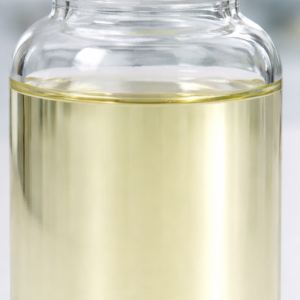
| Appearance | Colorless to pale yellow oily liquid |
| Odor | Mild, fatty odor |
| Density | 0.895 g/cm³ at 20 °C |
| Melting Point | 13–14 °C |
| Boiling Point | 360 °C (decomposes) |
| Solubility | Insoluble in water; soluble in alcohol, ether, and chloroform |
| Viscosity | 33–36 cP at 25 °C |
| Refractive Index | 1.458–1.460 at 20 °C |
| Physical State at Room Temp | Liquid (oily) |
USES
Food and Pharmaceuticals
Cooking and Food Processing: Oils rich in oleic acid, like olive and canola oil, are popular for cooking and frying because of their high-temperature stability. In food production, it acts as an emulsifying agent to blend oil and water-based ingredients in products like salad dressings and margarine.
Health and Nutrition: As a monounsaturated fat, it is a key component of a healthy diet, known for its benefits in lowering “bad” LDL cholesterol and supporting heart health.
Drug Delivery: In pharmaceuticals, oleic acid can be used as an excipient—an inactive substance that serves as a carrier for a drug. It can improve the solubility of poorly water-soluble medications and enhance their absorption and delivery in the body.
Cosmetics and Personal Care
Moisturizer: Oleic acid is widely used in lotions, creams, and soaps for its moisturizing and skin-softening properties. It acts as an emollient by creating a protective barrier on the skin, helping to lock in moisture.
Surfactant and Emulsifier: It helps to mix oil-based and water-based ingredients, giving products like shampoos and liquid makeup a smooth, consistent texture.
Industrial and Other Uses
Soaps and Detergents: As its sodium salt (sodium oleate), it’s a major component of traditional soaps, functioning as a primary cleaning agent.
Lubricants: It is a base for industrial lubricants, particularly in metalworking fluids, where it reduces friction and wear on machinery.
Textiles and Leather: It’s used as a softening agent in the textile industry to give fabrics a smoother finish and in the leather industry to enhance the final texture of the product.


Reviews
There are no reviews yet.