

Description
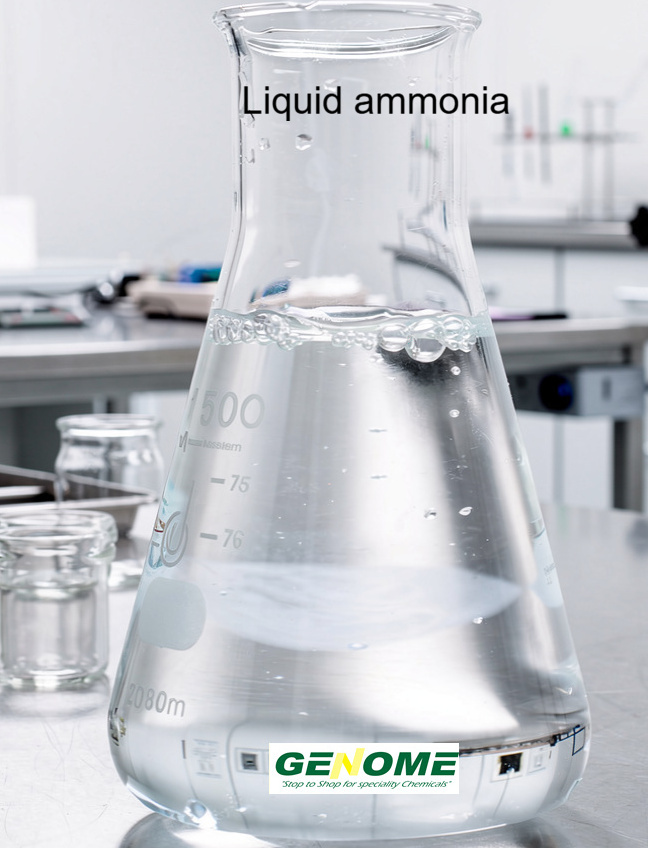
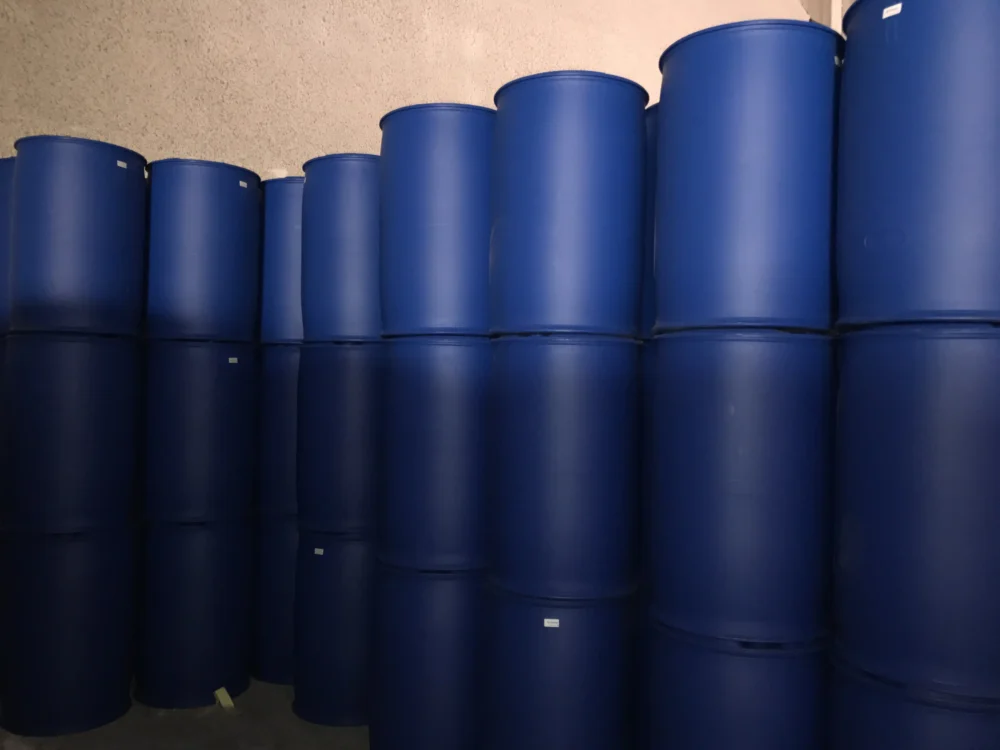
Liquid ammonia refers to ammonia (NH3) in its liquid state. It is a colorless liquid with a strong, pungent odor. It is a gas at standard temperature and pressure, so it must be stored under pressure or at low temperatures to remain in liquid form.
Chemical properties
| Property | Description |
| State | Colorless liquid |
| Odor | Strong, pungent smell |
| Boiling point | −33.3 °C |
| Melting point | −77.7 °C |
| Density | 0.681 g cm⁻³ at −33 °C |
| Polarity | Highly polar |
| Hydrogen bonding | Forms hydrogen bonds |
| Electrical conductivity | Poor conductor (unless metals are dissolved) |
| Toxicity | Toxic and corrosive |
| Dielectric constant | ~22 (lower than water) |
Uses
Fertilizer Production: The primary use of ammonia is in the production of fertilizers, such as urea and ammonium nitrate. Liquid ammonia can be directly injected into the soil as a nitrogen source.
Refrigerant: Due to its high heat of vaporization and low cost, it is widely used as a refrigerant in large-scale industrial refrigeration systems, especially in cold storage warehouses and food processing plants.
Chemical Manufacturing: It serves as a raw material in the production of a variety of chemicals, including nitric acid, hydrazine, and various nitrogen-containing organic compounds.
Cleaning Agent: It’s an active ingredient in many household and industrial cleaning products, particularly for glass and stainless steel, due to its ability to dissolve grease and grime.
Water Purification: It is used in some water treatment processes to create chloramines, which extend the disinfection power of chlorine.

Reviews
There are no reviews yet.