
Description
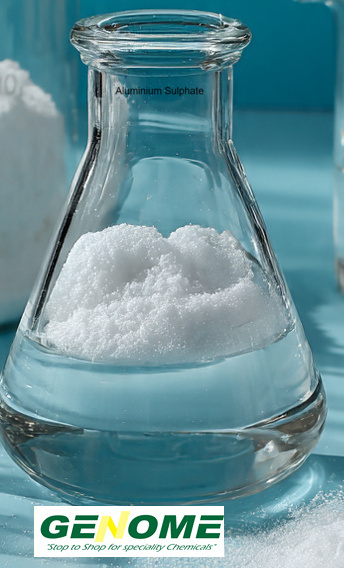
Aluminium sulphate (or aluminum sulfate) is a chemical compound with the formula Al2(SO4)3. It’s a salt that’s typically a white crystalline solid in its anhydrous form, but it’s often encountered as a hydrated salt.
Key Properties
| Property | Typical Value / Description |
| Chemical name | Aluminium Sulphate / Aluminum Sulfate |
| Chemical formula | Al₂(SO₄)₃ · xH₂O |
| Molecular weight | ~342.15 g/mol (anhydrous) |
| Appearance | White to off-white crystalline solid or powder |
| Odor | Odorless |
| Purity | 98 – 99 % (industrial grade, typical) |
| Moisture content | Variable (hydrated salt) |
| pH (1% aqueous solution, 25 °C) | 2.5 – 3.5 |
| Solubility in water | Freely soluble |
| Solubility in alcohol | Insoluble |
| Bulk density | 0.9 – 1.1 g/cm³ (powder) |
| Melting point | ~770 °C (decomposes) |
| Boiling point | Not applicable (decomposes) |
| Ionic nature | Inorganic salt |
| Hygroscopic nature | Hygroscopic |
| Stability | Stable under normal conditions |
| Storage condition | Store in a cool, dry place, tightly sealed |
Uses
Water Treatment
In water purification and wastewater treatment plants, aluminium sulphate is used to remove impurities. When added to water, it neutralizes the negative charges on small particles (like dirt, clay, and organic matter), causing them to stick together and form larger, heavier clumps called floc. These clumps then settle to the bottom of the water or get caught in filters, leaving the water clear and safe for consumption.
Paper Manufacturing
In the papermaking industry, it’s used as a sizing agent to improve the quality of the paper. It helps to make the paper more water-resistant and less absorbent to ink, which is important for writing and printing. It also helps to control the pH of the pulp and improves the retention of fillers and fibers.
Gardening
Aluminium sulphate can be used in gardening to lower the pH of alkaline soil, making it more acidic. This is particularly beneficial for acid-loving plants like hydrangeas, azaleas, and blueberries. For hydrangeas, using aluminium sulphate can also change the flower color from pink to blue by increasing the availability of aluminum ions in the soil.
Other Uses
Textile Industry: It acts as a mordant in dyeing fabrics, helping the dye to bind to the cloth fibers and produce a more vibrant and permanent color.
Food Industry: It is sometimes used as a firming agent and as an ingredient in some baking powders.
Firefighting: It can be used as an ingredient in some types of fire extinguishing foams.
Common Grades:
Technical or Industrial Grade: This is the most common and widely used grade of aluminium sulphate. It has a lower level of purity compared to other grades and may contain some impurities. It is suitable for large-scale industrial uses where extreme purity is not essential, such as in water treatment, paper manufacturing, and the textile industry.
Non-Ferric / Low-Iron Grade: Iron (Fe) is a common impurity in aluminium sulphate. For applications where the presence of iron could be detrimental (e.g., causing discoloration), a non-ferric or low-iron grade is used. This grade is often specified for papermaking, where iron can affect the whiteness of the paper, and for some high-purity chemical processes.
Food Grade (FCC): This grade is manufactured to meet the strict purity standards set by organizations like the Food Chemicals Codex (FCC). It is safe for use as a food additive, such as a firming agent or in baking powders. The specifications for this grade limit the presence of heavy metals and other impurities to ensure it’s safe for human consumption.
Laboratory Reagent (LR) / Analytical Reagent (AR) Grade: These grades are of high purity and are used in laboratory settings for analytical work and research. The specifications for these grades are very strict, and they are typically accompanied by a certificate of analysis detailing the exact levels of any impurities.
Pharmaceutical Grade (e.g., BP, USP, Ph.Eur): These grades meet the rigorous standards set by pharmacopoeias such as the British Pharmacopoeia (BP), United States Pharmacopeia (USP), and European Pharmacopoeia (Ph.Eur). They are used in medicinal or pharmaceutical applications and have very strict limits on impurities, including heavy metals.
aluminum sulphate is also available in different physical forms:
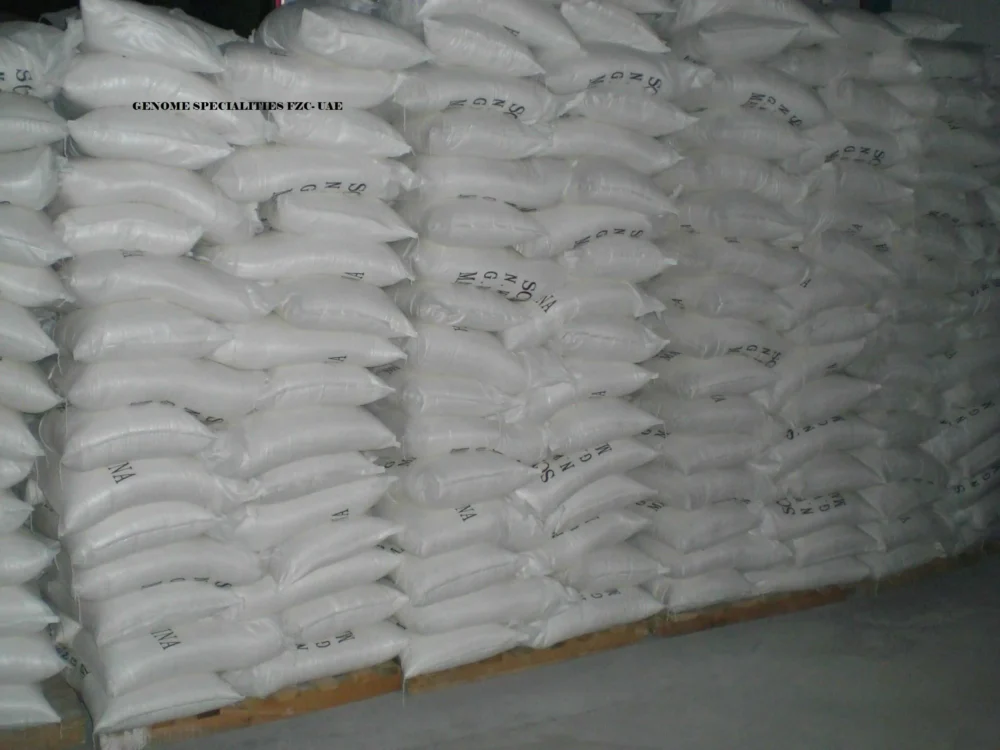
- Solid Form: This can be a white powder, granules, or flakes.
- Liquid Form: A solution of aluminium sulphate in water, often preferred for large-scale water treatment due to its ease of handling and dosing.

Reviews
There are no reviews yet.